If you have received a non-renewal notice, a policy cancellation letter, or a required inspection notice from your homeowner's insurance company in the past year, you are far from alone. Across Broward County and South Florida, tens of thousands of homeowners have faced coverage disruptions directly tied to the age or condition of their roofs.
This is not an administrative issue you can resolve with a phone call. It is a structural problem in the Florida insurance market that has been building for years, and in 2026 it is forcing many homeowners to either replace their roofs or lose coverage entirely. Understanding what is driving this, what insurers are actually looking for, and what your options are is the first step to protecting yourself.
Why Is This Happening Now?
Florida has the highest homeowner's insurance rates in the country, driven by hurricane exposure, litigation costs, and reinsurance market pressures. After years of significant losses, many major national insurers have exited Florida entirely. The carriers that remain have responded by tightening their underwriting standards sharply, and the roof is the primary target.
The reasoning is straightforward from an insurer's perspective: the roof is the most expensive component of a home to replace after a major storm event, and an aging or deteriorating roof significantly increases the likelihood and cost of a claim. In hurricane-prone South Florida, insurers have concluded that properties with roofs beyond a certain age or condition represent risks they are unwilling to accept.
What Age Does Insurance Consider Too Old?
There is no single universal rule, but the industry patterns in Florida in recent years have been:
- Asphalt shingles: Most carriers now require the roof to have at least 3 to 5 years of useful life remaining and frequently decline to renew policies where the shingle roof is more than 15 to 20 years old, depending on the carrier.
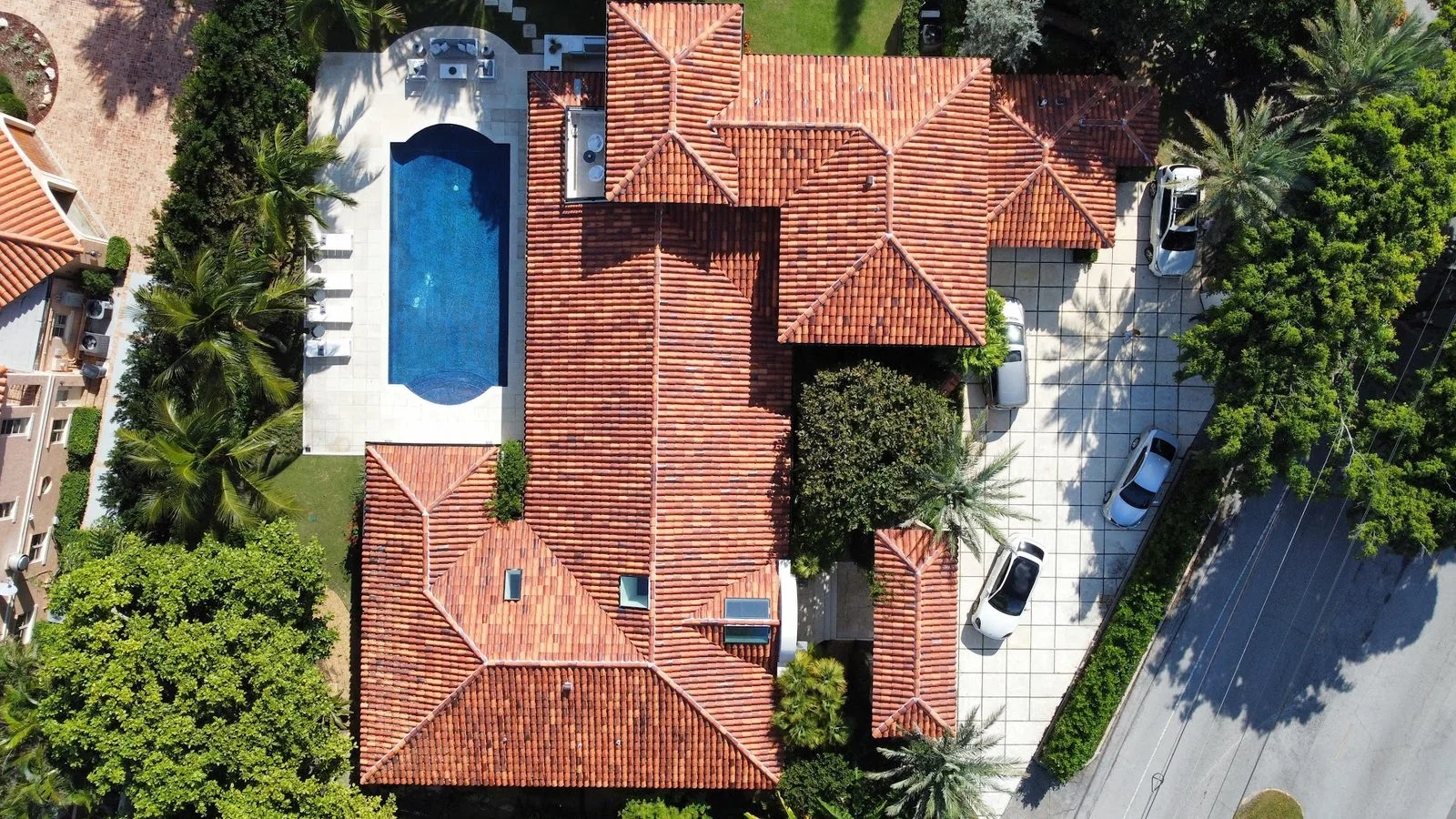
- Tile roofs: Clay and concrete tile roofs fare better because of their longer rated lifespans. However, carriers still require the underlayment beneath the tile to be in acceptable condition, and many order inspections on tile roofs over 25 years old.
- Metal roofs: Generally viewed most favorably by Florida insurers because of their long lifespan and hurricane resistance. A properly installed metal roof can be insurable for 40 or more years.
In Broward County, the vast majority of homes built between 1975 and 2005 have or had asphalt shingle roofs with a 20 to 25 year rated lifespan. Those roofs are now at or near the age threshold where insurance issues are becoming unavoidable.
What Is a 4-Point Inspection and What Does It Find?
If your insurer has required a 4-point inspection before renewing your policy, this is the mechanism through which they assess your roof. A 4-point inspection evaluates four systems: the roof, electrical, plumbing, and HVAC. For the roof, the inspector documents:
- Approximate age of the roof
- Roofing material type
- Estimated remaining useful life
- Presence of any active leaks or visible damage
- Whether the roof was permitted and installed to code
If the inspector notes a remaining useful life of less than three years, active damage, or evidence of prior unpermitted repairs, the insurer will typically decline to renew. In some cases, they will offer continued coverage only at substantially higher premiums or with reduced dwelling coverage.
What Happens If Your Coverage Lapses?
A lapse in homeowner's insurance creates serious problems beyond the obvious risk of being unprotected during hurricane season. If you have a mortgage, your lender requires you to maintain coverage. When your policy lapses, the lender will typically purchase force-placed insurance on your behalf, which is significantly more expensive than standard coverage, provides less protection, and covers only the lender's interest rather than yours as a homeowner.
Additionally, a gap in coverage history makes it harder to obtain a new policy. Many Florida carriers will ask whether coverage has been previously canceled or non-renewed, and a yes answer can trigger higher rates or outright refusal.
How Does a New Roof Solve the Insurance Problem?
A new roof replacement installed by a licensed contractor, permitted through Broward County, and built to current Florida Building Code addresses the insurance issue directly and often produces additional financial benefits:
Restored insurability: Most carriers will accept a policy or renew coverage on a home with a newly installed code-compliant roof, regardless of what the previous roof's condition was. The new roof resets the clock.
Wind mitigation credit: Florida law requires insurers to offer discounts based on a wind mitigation inspection report. A new roof installed with HVHZ-compliant fastening patterns, sealed deck, and secondary water barrier qualifies for credits that can reduce your annual premium by 20% to 45% in many cases in Broward County. For homeowners paying $6,000 or more per year in insurance, these savings can recover a substantial portion of the roof replacement cost over time.
Better coverage terms: A newer roof typically means the insurer covers it at full replacement cost value rather than actual cash value. Older roofs are frequently subject to depreciation schedules, meaning that if a storm destroys a 15-year-old roof, the insurer pays what the roof is worth today, not what it costs to replace it. The difference can be thousands of dollars.
What If You Cannot Afford a Full Replacement Right Now?
Roof replacement is a significant investment. For homeowners facing coverage disruption who are not yet in a financial position to replace the full roof, there are interim options to discuss with your insurer:
Partial repair with documentation: If specific sections of the roof are the source of the insurer's concern, targeted repairs with permits and a licensed contractor's certification may be sufficient to satisfy the carrier in the short term.
Florida Citizens Property Insurance: The state-backed insurer of last resort accepts properties that private carriers decline. Citizens does have its own inspection and eligibility requirements, including roof age criteria, but they remain an option when private market coverage is unavailable.
Financing options: Many roofing contractors offer financing programs for qualified homeowners. A monthly payment for a new roof is often less than the premium difference between a standard policy and force-placed coverage.
What to Do First
If you have received a non-renewal notice, start with a free roof inspection from a licensed Broward County contractor. Understanding the actual current condition of your roof, not just its age, is essential before deciding on next steps. Some roofs that are 18 or 20 years old are still in good structural condition and may qualify for a remaining useful life assessment that satisfies the carrier. Others need replacement, and knowing that early gives you time to plan rather than reacting under pressure.
Qualitech Roofing Services provides free inspections with a written report and photos. We can tell you clearly whether your roof needs repair, replacement, or whether it is likely to pass a 4-point inspection in its current state. We work with homeowners throughout Fort Lauderdale, Pompano Beach, Deerfield Beach, Hollywood, and all of Broward County. Call us at (754) 326-9233 or schedule your free inspection online.
Qualitech Roofing Services
Free Roof Inspection and Insurance Compliance Report